
Vestibular Rehabilitation Therapy
Restore Your Balance. Regain Your Confidence.
Our Vestibular Rehabilitation Therapy program helps reduce dizziness, improve balance, and restore stability through personalized, evidence-based treatment designed around your unique symptoms.
As Seen On









Overview
Specialized Therapy for
Balance & Dizziness Disorders.
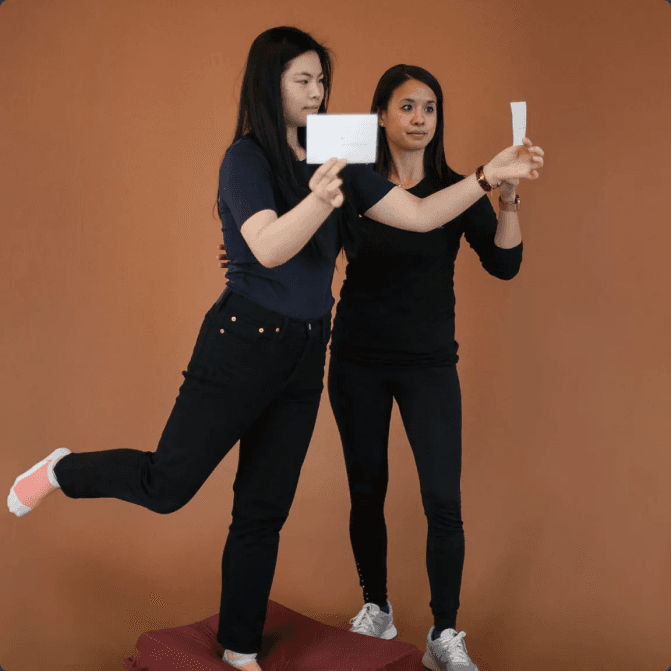
Vestibular Rehabilitation Therapy (VRT) is a specialized form of physical therapy designed to improve balance, reduce dizziness, and restore confidence in movement. Through targeted exercises and personalized treatment, our therapists help retrain your body's balance system so you can safely return to everyday activities.
Commonly Helps With:
- Vertigo & Vestibulopathy
- Benign Paroxysmal Positional Vertigo (BPPV)
- Dizziness, Spinning & Brain Fog
- Imbalance & Frequent Falls
- Instability & Blurred Vision With Head Movements
- Headaches, Neck Tightness & Stiffness
- Post-Concussion Symptoms

Why Choose This Treatment
Helping You Feel
Steady Again.
Reduce Dizziness
Minimize symptoms that interfere with daily activities.
Improve Balance
Restore stability and confidence while walking and moving.
Prevent Falls
Improve coordination and reduce fall risk.
Retrain Your Vestibular System
Help your brain adapt through targeted exercises.
Restore Daily Function
Return to work, exercise, and everyday activities.
Personalized Care
Treatment plans designed around your symptoms.


Physical Therapy
Movement & Rehabilitation
 Physical Therapist
Dr. Kevin Doyle
 Physical Therapist
Dr. Joseph Varshavsky

Featured Testimonials
Trusted by Professionals.
Chosen by Patients.
“All the practitioners collaborate.”
“I can’t say enough about the Physical Therapy at Physio Logic. All the practitioners collaborate, which is very beneficial to my recovery. They even meet with the Pilates instructors, to review my progress.”
Maura M.
Google review
“I got outstanding help.”
“I got outstanding help from [my] physical therapist for problems with my hips and lower back. Over the course of several months, she gradually helped me gain strength and flexibility through custom-tailored exercises. She was very attentive to my feedback about pain or limitations.”
Paul S.
Google review
“They take a true team approach.”
“After suffering for a few months I got myself to Physio Logic and found trust in the entire team. They take a true team approach and I feel respected and so well cared for — and I feel so much better!”
Sherry C.
Google review

 View All Reviews
Questions Answered
Everything You
Need to Know.
Who can benefit from Vestibular Rehabilitation Therapy?
VRT supports patients dealing with vertigo, vestibulopathy, dizziness, spinning or brain fog, imbalance, instability and blurred vision with head movements, headaches, neck tightness, stiffness or pain, and frequent falls. It also helps address post-concussion symptoms after head trauma.
What happens during my first appointment?
Your first visit is a full evaluation with a Doctor of Physical Therapy. It covers a review of your health history and current symptoms, eye-movement exams, head-movement tests that check for BPPV, and balance and gait checks — then you and your therapist set the goals that shape your plan.
What does a typical treatment session involve?
Sessions focus on balance training, vision exercises that improve oculomotor function and gaze stability, and individualized vestibular exercises. Your therapist also works on coordinating head and eye movements, repeats the specific movements that provoke your symptoms, and adds manual therapy when it is indicated.
How long does Vestibular Rehabilitation Therapy take?
It depends on the condition. Benign Paroxysmal Positional Vertigo (BPPV) can usually be treated in just one to two visits. For other vestibular disorders, sessions are typically held one to two times per week for several weeks or months, depending on the severity, complexity, and chronicity of the symptoms.
Will the exercises make me feel dizzy?
Usually, yes — and that is expected. VRT works by repeating and progressing the activities that provoke your symptoms in order to extinguish them, so exercises will usually increase symptoms while they are being performed. As patients progress, however, the symptoms eventually subside.
Explore More
Additional Physical
Therapy Services.



Expert Care. One Connected Team.
Start with an evaluation with a Physio Logic physical therapist in Downtown Brooklyn, and leave with a plan for your dizziness and balance.