Interventional Pain Management and Sports Medicine
Non-Surgical Care for Chronic Pain & Sports Injuries in Brooklyn
Back, neck and joint pain, migraines, and sports injuries — diagnosed and treated at the source with minimally invasive procedures, alongside the rehabilitation and functional medicine teams under the same roof.
As Seen On








Treatments We Offer
Advanced Treatments
That Target the Pain.
Why Physio-Logic
Care Built Around
the Cause of Your Pain.
Advanced diagnostics, minimally invasive treatment and collaborative rehabilitation, used together to address the root cause of the pain — not just the symptoms.
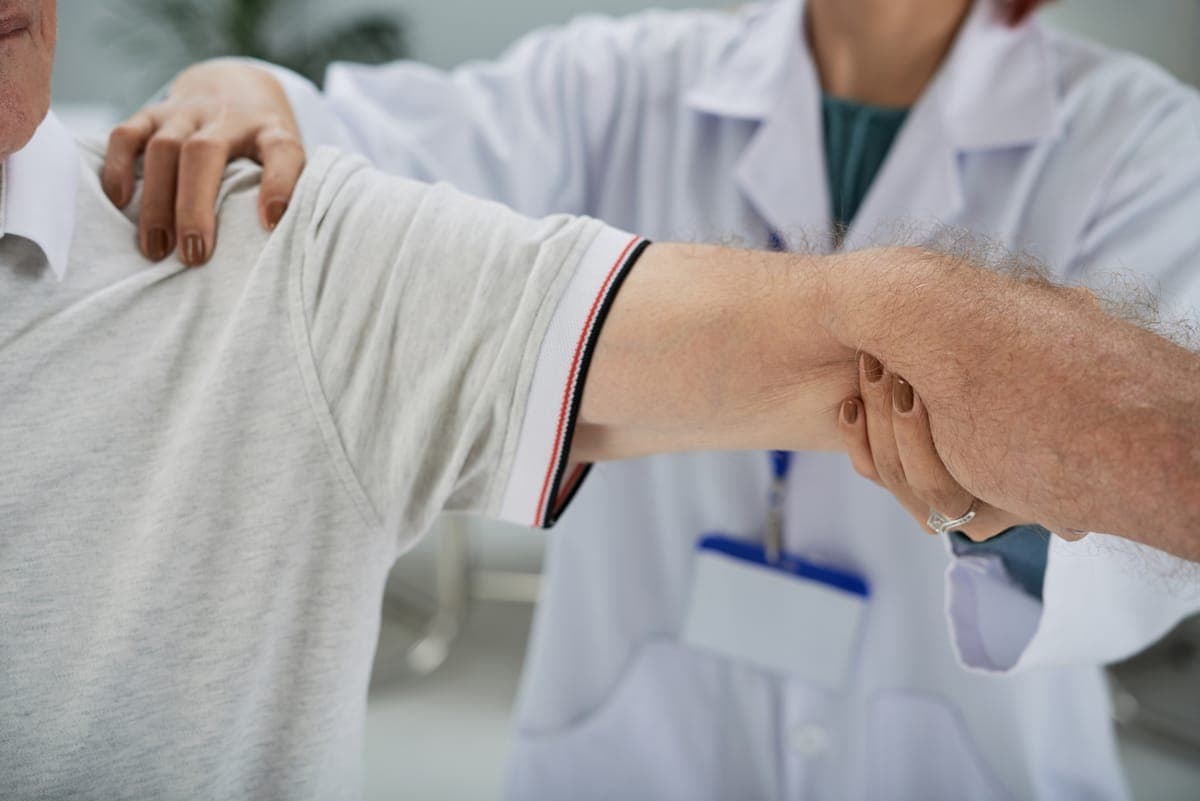
Evidence-Based Care
Advanced treatments backed by proven medical research.
Non-Surgical Solutions
Avoid surgery with minimally invasive treatment options.
Collaborative Team
Physicians, therapists, and specialists working together.
Performance-Focused Recovery
Helping you move confidently and stay active.


Your Care Team
Who Leads
Your Treatment.
 Spine & Sports Medicine Specialist
Dr. Tanuj Palvia, MD

Featured Testimonials
Trusted by Professionals.
Chosen by Patients.
“They take a true team approach.”
“After suffering for a few months I got myself to Physio Logic and found trust in the entire team. They take a true team approach and I feel respected and so well cared for — and I feel so much better!”
Sherry C.
Google review
“They took the time to find the root of my problem.”
“I highly recommend Physio Logic! They took the time to find the root of my problem, and their work has given me a lot of relief. They came up with a great plan for me to address the issue in a limited amount of time. I finally feel like moving again!”
Sharon C.
Google review
“I always felt heard, respected, and encouraged.”
“Dealing with a serious back injury was a rough time for me. I always felt heard, respected, and encouraged during the whole process. Their functional approach is above and beyond any care I’ve received in the past.”
Robert D.
Google review

 View All Reviews
Questions Answered
Everything You Need to Know About
Pain and Sports Medicine.
What conditions are treated here?
Both chronic pain and sports injuries: back and neck pain, sciatica and nerve pain, arthritis and joint pain, degenerative disc disease, migraines and muscle spasms, tendon and ligament injuries, overuse injuries and muscle strains, and other musculoskeletal conditions affecting active people of all ages.
Do I need surgery for my injury?
Not necessarily. Interventional Orthopedics and Sports Medicine emphasizes the prevention, diagnosis and treatment of musculoskeletal injuries and chronic pain conditions using non-surgical modalities. Non-surgical options here include stem cell therapy, platelet-rich plasma (PRP), cortisone treatment for inflammation, viscosupplementation, nerve block and radiofrequency ablation, and trigger point therapy. Most cases of stem cell and PRP treatment avoid the pain, disability, down time and risk associated with major surgery — and having treatment with stem cells would not make a person ineligible for surgery later.
What happens during my first appointment?
Wear comfortable clothes and leave unnecessary valuables at home. Bring the medications you are currently taking in their original bottles or an accurate, updated list, along with your medical records and the films or CDs of any recent X-rays, MRIs or CT scans. A medical assistant will bring you to an exam room and review your history and current medications, then your physician will evaluate you and perform a physical exam. If a treatment is indicated, your physician will discuss the steps involved, the expected outcomes and the potential risks, and answer any remaining questions before you give consent.
How long does recovery take?
It depends on the procedure. Most procedures take five to fifteen minutes, though you may remain at our facility longer because of admission, evaluation, procedure, recovery and discharge time. There is minimal recovery from a stem cell or PRP treatment, usually mediated by soreness and some bruising in the treated area. After an epidural steroid injection we ask you to keep the remainder of the day relaxed and limited to your home, without returning to work, major physical activity or air travel that day.
Can I continue exercising during treatment?
Staying active is the goal. Our sports medicine physician works with Physio Logic's orthopedic rehabilitation and functional medicine teams to create personalized treatment plans tailored to each patient's needs, with the aim of keeping you as active as possible. Guidance is procedure-specific: after an epidural steroid injection we ask you to avoid major physical activity for the rest of the day, while after medial branch nerve blocks, facet joint or sacroiliac joint injections we ask you to do the things that would normally aggravate your pain over the following six to eight hours, so we can tell whether the block worked.