
Deep Tissue Therapy
Release Deep Tension. Restore Better Movement.
Targeted therapeutic massage that works through deeper layers of muscle and fascia to ease chronic tension, support recovery, and help restore comfortable movement.

As Seen On









Overview
Deeper Treatment.
More Targeted Care.
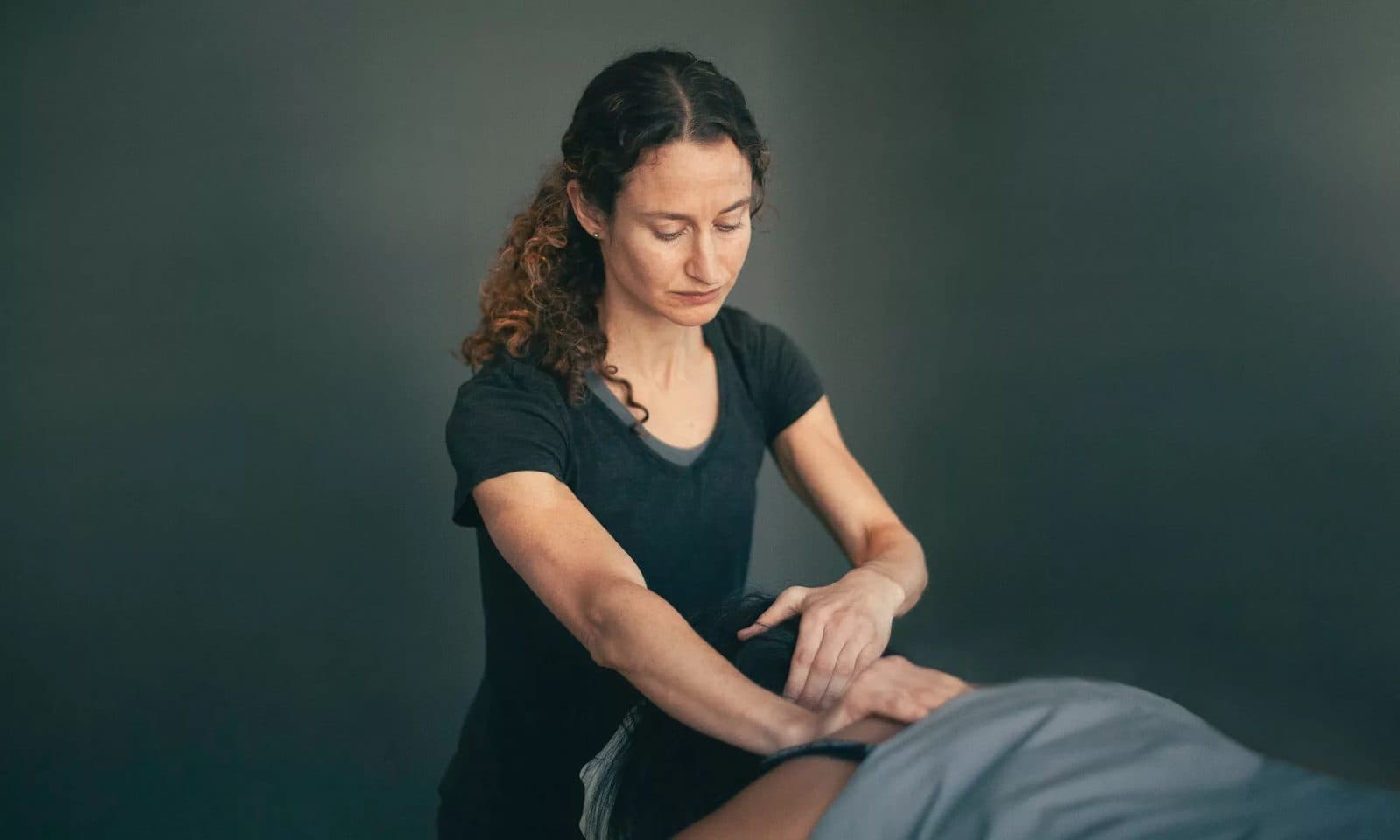
Deep tissue therapy uses slow, deliberate pressure and focused techniques to address persistent muscle tension, soft-tissue restrictions, and areas affected by injury or repetitive strain.
It is not a relaxation massage. A Swedish massage uses lighter pressure and flowing strokes for general wellness; deep tissue work targets a specific problem area with sustained pressure, and our therapists pair it with medical massage training to treat the cause of the pain rather than the spot that hurts.
Commonly Helps With:
- Chronic muscle tension and spasms
- Lower back pain and sciatica
- Neck and shoulder pain from desk work or posture
- Sports injuries and repetitive strain
- Fibromyalgia and pain that has not responded to other treatments
- Post-surgical scar tissue and mobility
- Plantar fasciitis, TMJ dysfunction, and postural imbalances

Why Choose This Treatment
Focused Work for
Long-Standing Tension.
Chronic Tension
Helps address persistent tightness and stubborn muscle knots.
Pain Relief
Supports relief from muscle-related discomfort and restricted soft tissue.
Injury Recovery
Complements recovery from sports injuries and repetitive strain.
Better Mobility
Helps improve flexibility and movement where tension limits range.
Postural Support
Addresses muscular imbalances that can contribute to postural discomfort.
Tissue Recovery
Supports circulation and healthy soft-tissue function during recovery.


Sports & Medical Massage
Hands-On Recovery
 Licensed Massage Therapist
Amy Montia, PhD, LMT
 Licensed Massage Therapist
Nicole Kabel, LMT
 Licensed Massage Therapist
Stephen Donnelly, LMT
 Licensed Massage Therapist
Atsuhiko Kawamura, LMT
 Licensed Massage Therapist
Lauren Ng
 Licensed Massage Therapist
Elijah Jihaad Dixon

Featured Testimonials
Trusted by Professionals.
Chosen by Patients.
“They take a true team approach.”
“After suffering for a few months I got myself to Physio Logic and found trust in the entire team. They take a true team approach and I feel respected and so well cared for — and I feel so much better!”
Sherry C.
Google review
“They took the time to find the root of my problem.”
“I highly recommend Physio Logic! They took the time to find the root of my problem, and their work has given me a lot of relief. They came up with a great plan for me to address the issue in a limited amount of time. I finally feel like moving again!”
Sharon C.
Google review
“I always felt heard, respected, and encouraged.”
“Dealing with a serious back injury was a rough time for me. I always felt heard, respected, and encouraged during the whole process. Their functional approach is above and beyond any care I’ve received in the past.”
Robert D.
Google review

 View All Reviews
Questions Answered
Everything You
Need to Know.
What is deep tissue therapy?
Deep tissue therapy is a therapeutic massage approach that uses slow, deliberate strokes and focused pressure to work through deeper layers of muscle, fascia, and connective tissue.
Is deep tissue massage painful?
Deep tissue massage can be intense, but it should never be unbearably painful. You may feel some discomfort as your therapist works through areas of chronic tension or adhesions, but it should be a feeling of pressure and release rather than sharp or intolerable pain. Communication matters — we adjust pressure based on your feedback and tolerance.
What happens during my first session?
Your first visit begins with a comprehensive assessment. Your licensed massage therapist discusses your pain, injury history, and treatment goals, assesses your movement patterns to identify restriction and imbalance, builds a treatment plan around what they find, applies techniques at a pressure appropriate for your condition and tolerance, and finishes with self-care guidance such as stretches and exercises.
How will I feel after treatment?
You may notice mild soreness similar to post-workout muscle fatigue, which typically resolves within 24 to 48 hours. We recommend drinking plenty of water, applying ice to any tender areas if needed, gentle stretching and movement, and avoiding strenuous activity for 24 hours after your session.
How many sessions will I need?
Many patients notice some improvement in pain and mobility after the first session, but tension that built up over months or years usually takes several visits to change for good. For acute injuries or severe chronic pain we may start weekly, then move to bi-weekly or monthly maintenance as things improve. Your therapist sets realistic expectations at your initial assessment.
Does insurance cover deep tissue massage?
Coverage varies by plan. Some plans cover massage when a physician prescribes it for a specific condition, or when it is delivered as part of physical therapy treatment. Our staff can verify your benefits and provide the documentation you need for reimbursement or an FSA/HSA claim.
Related Care
Explore More Ways to
Move & Recover.



One Team. One Plan. Better Health.
Expert Care.
One Connected Team.
Book deep tissue therapy with a licensed massage therapist in Downtown Brooklyn. Our staff can verify your insurance benefits before your first session.