

Physical Therapy for Lower Back Pain: What to Expect
Physical therapy for lower back pain is a structured, individualized approach to improving movement, strength, and daily function when back symptoms make work, exercise, sleep, or ordinary activities difficult. A physical therapist begins by learning how your symptoms started, what movements are limited, and what you want to do more comfortably. Treatment may include exercise, education, movement training, and hands-on care when appropriate. It is not a promise of a particular outcome, and it should be adapted as your response and goals become clearer.
Contact Physio Logic NYC to discuss your lower back pain and possible next steps.
This guide explains what a lower back pain physical therapy evaluation may involve, what a care plan can include, how progress is assessed, and when a medical evaluation is more urgent. General information cannot diagnose the cause of your pain. If symptoms are severe, rapidly worsening, or accompanied by warning signs, seek prompt medical attention.
Lower back pain can affect people who sit for long periods, perform physically demanding work, exercise regularly, or are recovering from an injury. The right next step depends on the pattern of symptoms and the person experiencing them. A useful evaluation looks beyond a single painful movement and considers how symptoms affect walking, lifting, sleep, work, and other priorities. For related background, read our guide to physical therapy for back pain.

What Is Physical Therapy for Lower Back Pain?
Physical therapy for lower back pain is individualized care intended to improve movement and function. It may include exercise, education, activity guidance, and hands-on care when appropriate. The plan should reflect the person's symptoms, goals, health history, and response rather than assume that one technique fits everyone.
What Can Cause or Contribute to Lower Back Pain?
Lower back pain can have more than one contributor. Symptoms may follow a strain, an increase in activity, prolonged sitting, an injury, or changes in the spine. Some people also have leg symptoms related to nerve irritation. In other cases, the cause is not obvious from symptoms alone. A clinician should assess the pattern rather than assuming that posture, a disc finding, stress, or one muscle explains every case.
Common patterns clinicians assess
- Where the pain is located and whether it travels into the buttock or leg.
- How symptoms respond to sitting, standing, walking, lifting, or changing position.
- Strength, sensation, reflexes, mobility, coordination, and functional movement.
- Recent injury, fever, unexplained weight change, cancer history, osteoporosis risk, or other health factors that may change the evaluation.
A scan or diagnosis does not by itself explain how a person will move or feel. The history and physical examination help put findings into context. That is why the article will avoid presenting one cause, such as posture or a disc change, as the explanation for every reader.
When should you seek prompt medical care?
Seek urgent medical guidance for new bowel or bladder changes, numbness in the saddle area, progressive leg weakness, severe pain after significant trauma, fever with severe back pain, or other symptoms that concern you. A physical therapist can help determine whether physical therapy is appropriate, but warning signs require timely medical assessment.
What Happens During a Lower Back Pain Physical Therapy Evaluation?
A first visit typically connects your symptoms with your function. The conversation may cover when the pain began, prior injuries or treatment, work and exercise demands, sleep, medications, and the activities you want to resume.
When appropriate, the physical therapist may observe walking, bending, lifting, balance, strength, mobility, and symptom response to selected movements. The assessment is not a test you have to pass. It helps the clinician choose reasonable starting points and identify whether another type of medical evaluation is needed.
History and goals
Tell the clinician what makes symptoms better or worse, what you have already tried, and what a meaningful improvement would look like. A goal might be returning to a job task, taking a walk, sleeping with fewer interruptions, lifting a child, or resuming a preferred activity. Clear goals help the clinician choose measures that matter to you.
Movement and function assessment
The assessment may connect symptom behavior with activities such as sitting, standing, walking, lifting, or changing position. The clinician can explain what the selected movements are intended to show and how the findings relate to a practical plan.
A plan that can change with your response
A plan may start with manageable movements and a home program, then progress as your tolerance improves. If symptoms increase, fail to change as expected, or reveal new concerns, the clinician should reassess rather than simply continue the same program.
What Are the Potential Benefits of Physical Therapy for Lower Back Pain?
People respond differently, so physical therapy should be described as a way to work toward functional goals rather than as a guaranteed cure. Potential goals may include improving confidence with everyday movement, building strength and activity tolerance at a manageable pace, learning strategies for lifting or work tasks, and reducing the disruption symptoms cause in sleep, work, or recreation.
Working toward more comfortable movement
Some people value having a clearer plan for responding to symptoms. Others need help rebuilding strength after an injury or changing how they approach a demanding activity. A physical therapist can help identify a reasonable starting point and track whether the plan is helping with the tasks that matter to you.
Building strength and activity tolerance
A gradual plan may address mobility, trunk or hip strength, aerobic activity, or task-specific practice. The appropriate starting point depends on the evaluation, current tolerance, health history, and goals.
Learning self-management skills
Education can help you understand pacing, activity changes, lifting mechanics, workstation habits, and how to respond to a temporary symptom flare. The clinician should explain the purpose of recommended activities and how progress will be reviewed.
Evidence-based care does not mean every person will avoid medication, injections, or surgery. Those decisions belong in an individualized discussion with the appropriate licensed clinician. Physical therapy may be one part of care, and progress is evaluated by function and symptom response over time.
What Might Treatment Include?
Exercise and graded activity
A home program may include mobility, trunk or hip strengthening, aerobic activity, or task-specific practice. Exercises should be selected for your needs and adjusted as your response becomes clearer.
Education and movement strategies
Education may address pacing, sleep and activity routines, lifting mechanics, workstation habits, and how to respond to a temporary symptom flare. Active participation does not mean pushing through severe or concerning symptoms. It means learning what level of movement is appropriate, practicing consistently, and communicating changes so the plan can be adjusted.
Hands-on care when appropriate
Manual techniques may be used as one part of a broader plan when they fit the assessment. The clinician should explain the purpose of hands-on care and how it relates to movement, function, and the goals you identified.
This active-care and safety-screening approach is consistent with guidance from the American Physical Therapy Association's low back pain clinical practice guideline and the American Family Physician review of chronic low back pain. These sources support individualized assessment and appropriate nonpharmacologic care, while clinical decisions still depend on the individual evaluation.
Send an inquiry to Physio Logic NYC about an individualized physical therapy evaluation.
How Long Does Physical Therapy for Lower Back Pain Take?
There is no responsible one-size-fits-all number of visits. The timeline can depend on whether symptoms are recent or recurring, your goals, your health history, daily demands, access to care, and response to the plan. Some people need short-term guidance, while others benefit from longer monitoring or coordinated care.
Follow-up visits can review function and symptoms, adjust exercises, address barriers, and decide whether the approach remains appropriate. A change in symptoms does not automatically mean that treatment has failed or that a person should continue without reassessment. The next step should be based on the clinical picture and the patient's goals.
| Part of care | What it may address | What to expect |
|---|---|---|
| Initial evaluation | History, goals, movement, function, safety | A starting plan and next steps |
| Home program | Strength, mobility, activity tolerance, task practice | Exercises selected for your needs |
| Follow-up visits | Response, function, barriers, changing symptoms | Reassessment and adjustments |
Why Consider Physical Therapy in Brooklyn with Physio Logic NYC?
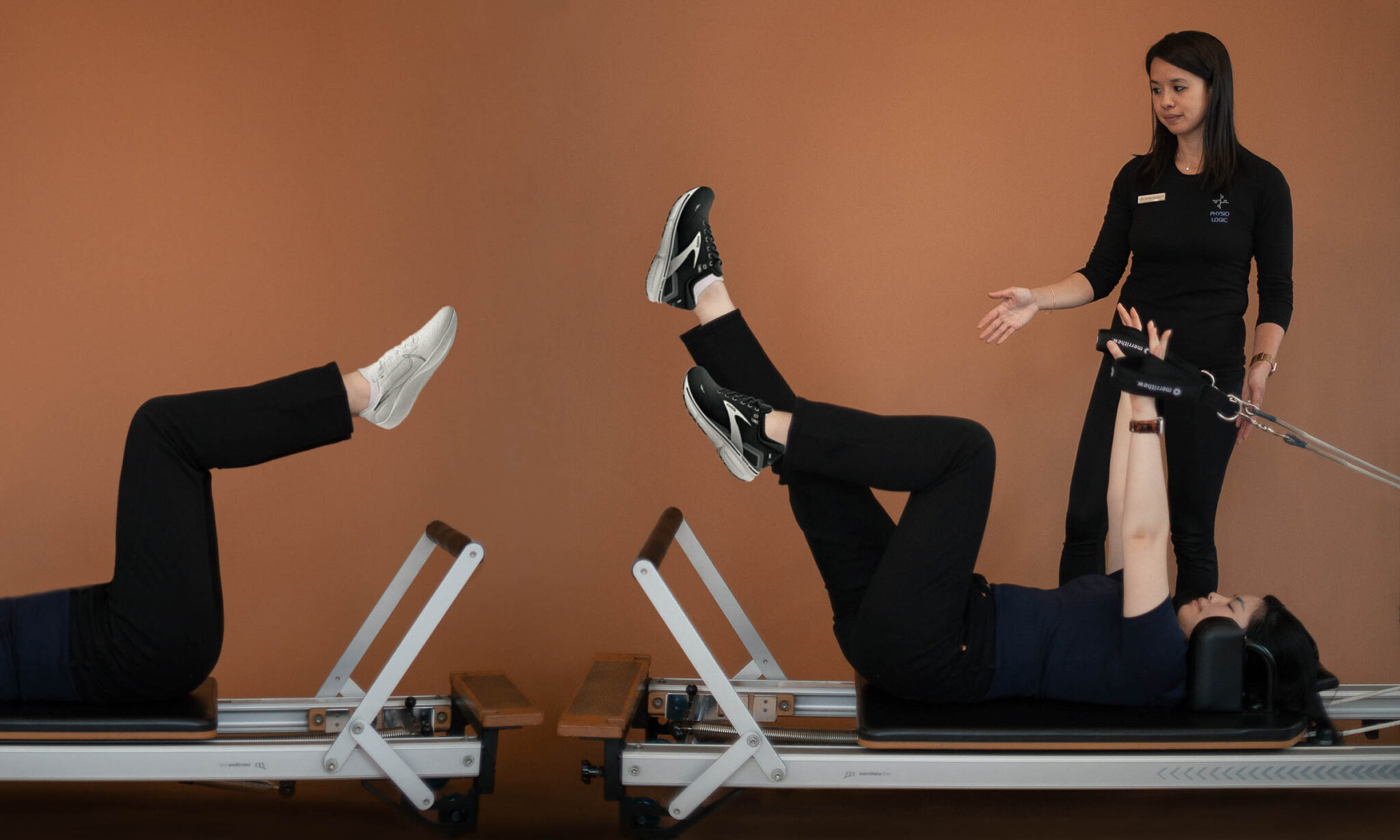
Physio Logic NYC provides physical therapy in Brooklyn with an emphasis on individualized assessment, patient education, and coordinated care. Depending on your needs, the practice offers conventional and Pilates-based physical therapy and works alongside other disciplines available at the center. You do not need to assume that you require more than one type of care. The first step is a conversation about your symptoms, goals, and the evaluation that fits your situation.
Before an appointment, consider writing down when symptoms began, what activities are limited, what makes them better or worse, and what questions you have about the plan. If you have imaging or prior treatment notes, ask whether they would be useful to bring. A list of medications and relevant health history can also help the clinician understand the wider context.
Physio Logic NYC can discuss your questions and help identify an appropriate next step. The purpose of an inquiry is to begin that conversation, not to promise that one particular service or treatment will be right for you. A clinician can explain the evaluation process and whether physical therapy fits the symptoms you describe.
Contact Physio Logic NYC to take the next step with your lower back pain questions.
Frequently Asked Questions
What is physical therapy for lower back pain?
It is individualized care intended to improve movement and function. It may include exercise, education, activity guidance, and hands-on care when appropriate. The plan should reflect the person's symptoms, goals, health history, and response.
Can physical therapy help every type of back pain?
No single treatment is right for everyone. An evaluation helps determine whether physical therapy fits your symptoms or whether another medical assessment is needed. If warning signs are present, seek prompt medical guidance.
Will I need imaging before physical therapy?
Not necessarily. Imaging decisions depend on the history, examination, warning signs, and clinical judgment. A clinician can explain when imaging may be useful and how the result would change the plan.
What should I bring to a first visit?
Bring a list of medications and relevant health history, information about prior treatment or imaging if available, and a description of your goals and symptom pattern. Write down the activities that are limited and the questions you want to ask.
How can I contact Physio Logic NYC?
Use the practice's contact page to send an inquiry about your symptoms and possible next steps. A clinician can discuss whether an evaluation is appropriate. Contacting the practice does not guarantee that a particular treatment will be recommended.