

Pilates-Based Physical Therapy Brooklyn Guide
Pilates-Based Physical Therapy Brooklyn combines licensed rehabilitation care with controlled Pilates movements to support strength, mobility, alignment, and movement confidence. At Physio Logic NYC in Downtown Brooklyn, a Doctor of Physical Therapy can assess your needs and determine whether this individualized approach is appropriate for your goals.
Explore physical therapy in Brooklyn and request an individualized assessment.
Pilates-based Physical Therapy Brooklyn: What is Pilates-based physical therapy?
Pilates-based physical therapy combines the movement principles of Pilates with assessment and treatment by a licensed physical therapist. Rather than following a general fitness routine, patients receive selected, modified exercises intended to address identified movement limitations, support core control, and advance individualized rehabilitation goals.
Clinical goals and core strength
The main goal of this care is to build core strength. Your core includes the muscles in your trunk that support your spine. Pilates is a system of movement that targets these deep muscles through breath and control. When a therapist uses these tools, they can help you manage pain well. This focus on the center of the body helps protect your joints as you move.
Research suggests that Pilates-based rehabilitation may help some people with low back pain. Depending on a clinical assessment, Pilates-based movements may also be considered for neck pain and other long-term needs. Improving core control may change how force is distributed as you move. Individual outcomes vary, and a physical therapist should tailor the approach to your condition and goals.
How it differs from a fitness class
Many people know Pilates as a group class at the gym. But Pilates-based physical therapy is more focused. In a gym class, a teacher leads a group through the same moves. In a clinical setting, you get one-on-one care from a licensed a physical therapist in Brooklyn. They have years of training in how the body heals and moves.
The therapist starts with a full check of how you move. They find which muscles are tight and which are weak. Then, they pick the best moves for your recovery. They can change any move to make sure you do not get hurt. They watch your form closely at every step. This level of supervision is intended to help you work toward your goals with appropriate clinical guidance. It is an individualized form of rehabilitation that puts your health first.
Personal care for Brooklyn patients
At Physio Logic NYC, we use a team-based model. Our physical therapists and Pilates experts work together to help you heal. This means your plan is full and covers all your needs. We do not just look at where it hurts. We look at how your whole body works together. This whole-person view is why pilates-based physical therapy brooklyn is a top choice for local residents.
We treat many conditions with this method, from sports injuries to daily aches. It is a great fit for athletes and parents alike. Our goal is to help you move without fear and stay healthy. We want to give you the logic behind your care. When you understand how your body moves, you can take charge of your own wellness.
How reformer equipment changes rehabilitation
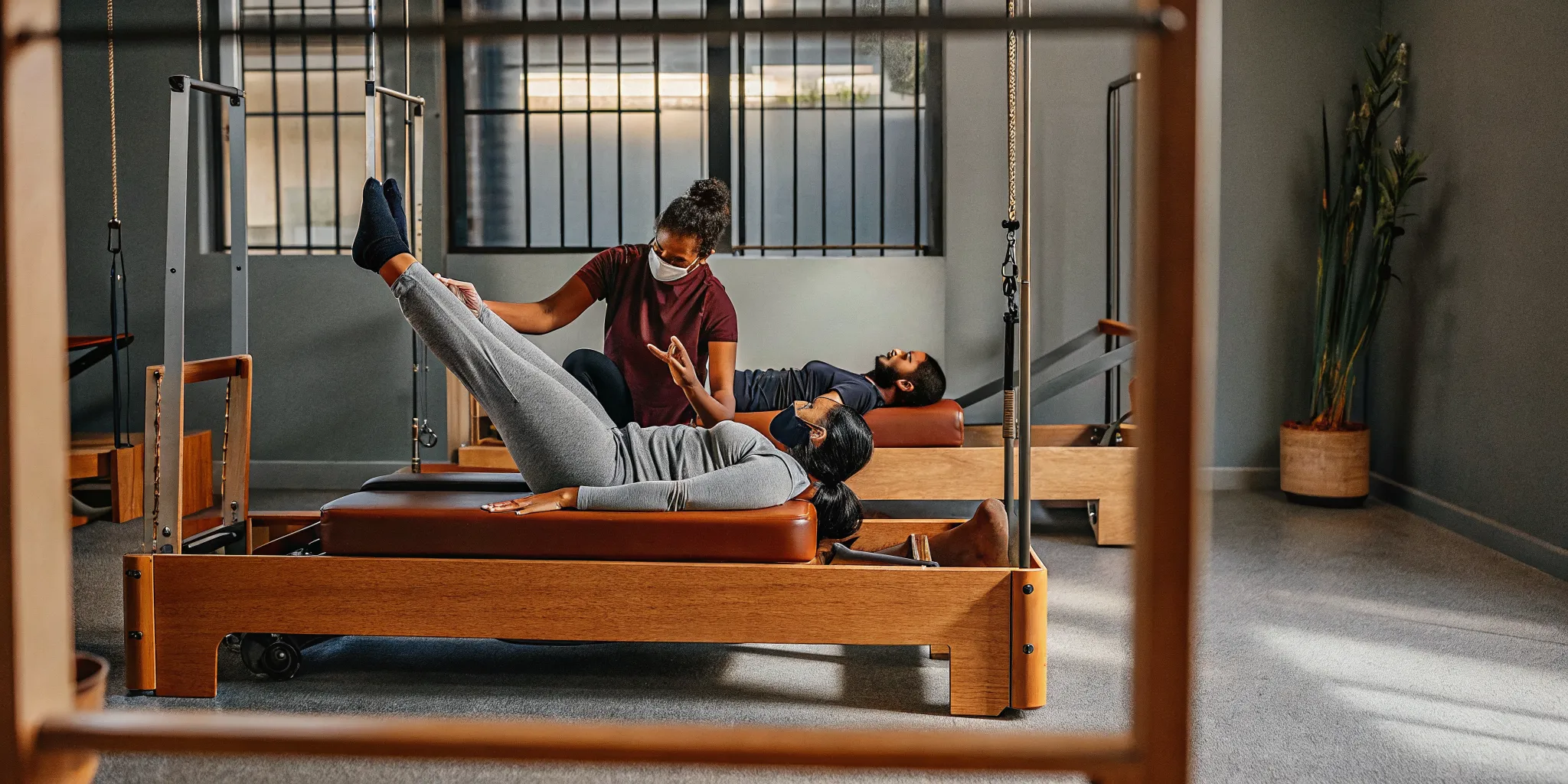
A Pilates reformer uses a sliding carriage, springs, straps, and a footbar to provide adjustable assistance or resistance. In rehabilitation, a physical therapist can modify those settings and the patient’s position to support controlled practice, observe movement quality, and appropriately progress an individualized plan.
Adjustable support and force
The reformer uses springs to create force. These springs come in many weights. Your physical therapy services in Brooklyn can change the springs to match your needs. For some moves, more weight makes the work simple. It can hold your limbs up as you move. This is helpful when you are weak or in pain. The springs act like a pair of extra hands that carry your weight.
In other cases, less weight makes you use more of your own muscle. This builds core power and keeps you stable. This helps you move sooner after an injury. You do not have to lift your full body weight right away. This lets you build strength without too much stress on your joints. Research shows that Pilates is a controlled movement system for rehab programs because it focuses on controlled moves.
Better control and feedback
The sliding part of the machine is called the carriage. It moves on tracks. This gives a clear path for your body. The reformer has several parts that help you move well:
- A sliding carriage that moves on tracks
- Springs that add weight or help you move
- Straps for your hands or feet
- A footbar to push against
This feedback tells your brain where your body is. It helps you fix your form in real time. You can feel when your hips are not level or when one leg works harder than the other. Good form is a big part of Pilates exercises. The reformer provides feedback that may help you practice more controlled movement. A physical therapist can use that feedback to identify compensations and modify the exercise when needed.
Moving through recovery
As you get better, your therapist will change how you use the machine. You might start lying down. This is a safe way to move if you have back pain. Later, you may sit, kneel, or stand on the carriage. These changes make the work more like daily life. For example, standing on the machine can help you with balance while walking.
Adding more Pilates to your care can help with long-term goals. A study found that this approach helps women with chronic low back pain move better over time. Your therapist will track your progress. They will adjust the force as you get stronger. This slow build-up helps you reach your goals safely.
Who can benefit from Pilates-based physical therapy?
Pilates-based physical therapy may suit people managing musculoskeletal pain, recovering from an injury or surgery, rebuilding balance, or addressing pregnancy and postpartum movement needs. Appropriateness depends on a licensed physical therapist’s assessment, medical history, current symptoms, goals, and any guidance from other treating clinicians.
Relief from chronic pain and injuries
Many people seek care for back or neck pain. These issues can come from poor posture or old injuries. Research shows that research suggests Pilates can be a helpful tool to reduce pain and trouble moving in the lower back. By focusing on core strength, you learn to support your spine in a new way. This takes the load off your joints and helps you stay active.
Bone and joint injuries also respond well to this type of care. Athletes use these moves to build a stable base and avoid future harm. The movements are generally low impact and can be adjusted to a person’s tolerance. You may practice body control while building strength and mobility. This combination can support rehabilitation goals and a gradual return to valued activities, although outcomes and timelines vary.
Improved balance and daily movement
Balance and movement are vital for living a safe and active life. As people get older, the risk of falling can go up. Physical therapists use Pilates exercises for balance to help patients feel more steady on their feet. These movements teach your body how to stay upright and move with ease. It is about more than just strength; it is about how your muscles and brain work together.
This care also helps people who have trouble moving for a long time. If you find it hard to walk after an illness, these moves can help. The focus on controlled breathing and smooth movement makes it safe for many levels of fitness. You can start slowly and build up as you gain more trust in your body. It is a great way to reclaim your freedom of movement.
Support for healing and wellness
Healing after a surgery requires a careful touch and expert help. Once your doctor says it is okay, you can start to rebuild your strength. These moves help you move well again without too much stress to the area. It is a safe way to get back to your normal daily life. Our experts ensure each move is done the right way to keep you safe and on track.
Women also find great value in this method during and after pregnancy. It helps with pelvic floor health and core strength as the body changes. This support can make a big difference in how you feel before and after you give birth. If you need pelvic floor therapy in Brooklyn, our team can guide you. We work with you to ensure you have the support you need at every stage of your journey.
Who can see the best results from this work?
- People with nagging back, neck, or joint pain.
- Athletes healing from sports injuries or wanting to improve form.
- Patients who need to regain strength after a surgery.
- People who want to improve their posture or balance.
- Pregnant and new mothers who need core and pelvic floor support.
Your chance for success with this care is always based on your own needs. We start with a full check of your health and goals. From there, we build a custom plan that makes sense for you. This ensures you get the most out of every session and reach your best health. We are here to support you at every step.
What should you expect in your first session?
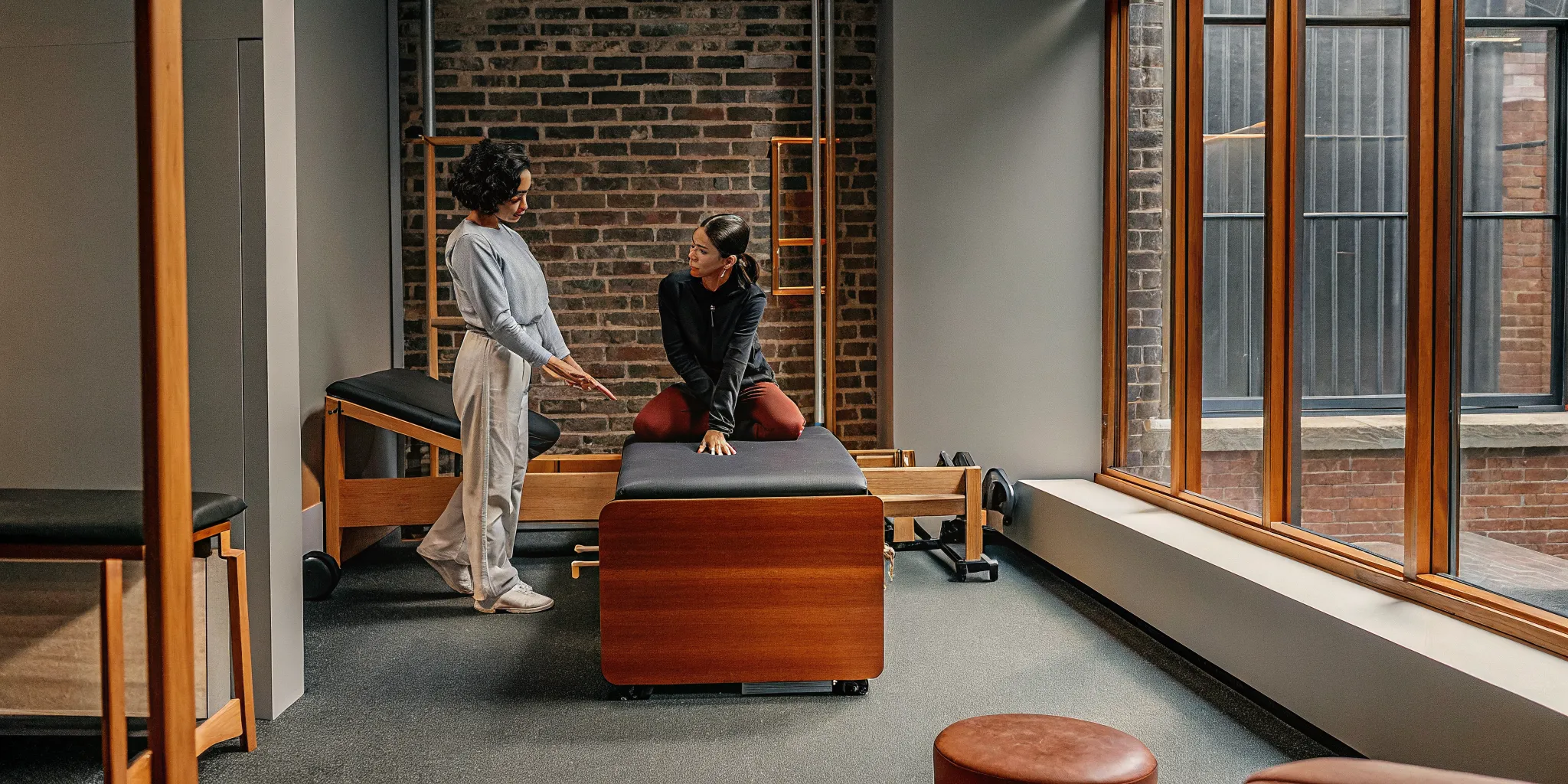
A first session typically includes a health-history review, discussion of symptoms and goals, and an examination of posture, strength, mobility, balance, and relevant movement patterns. Your physical therapist then explains findings and recommends a personalized plan, which may include appropriately modified Pilates-based exercises.
Full movement check
We look at your posture, strength, and how your joints move. Our team uses these facts to see where your body may have stress or weak spots. This step is key for any physical therapist in Brooklyn who wants to help you get long-term results. We check for balance and how your core supports your spine. This check helps us pick the right moves for your care plan.
Your custom care plan
After the check, we set up your personal steps. You will learn specific Pilates exercises for balance and strength. We show you how to do each move with the right form. Studies find that adding Pilates to a care plan can improve functional outcomes for some patients with back pain. You will also get a home guide so you can keep working on your goals between visits. This team approach helps you take charge of your health.
- Health review: We talk about your past injuries and what you hope to get from your care.
- Physical exam: A pro checks your range of motion, strength, and body alignment.
- Movement check: We watch you move to find weak spots that may cause pain or slow your healing.
- Goal setting: Together, we set clear targets for your strength, flexibility, and daily life.
- Start moves: You start with easy Pilates moves to learn the main ideas of the method.
- Home guide: We give you a simple plan to follow at home to help speed up your progress.
Our team works together to help your care. If needed, your therapist may talk with our other pros, such as doctors or nutritionists. This ensures you get full support for your whole body. We focus on teaching you the tools you need to move better and feel stronger every day.
Pilates-based PT vs. traditional PT and Pilates classes
Traditional physical therapy and Pilates-based physical therapy are clinical services led by licensed physical therapists, while general Pilates classes primarily serve fitness goals. Pilates-based PT incorporates selected Pilates principles or equipment into an assessed rehabilitation plan; the right option depends on your symptoms, risks, and goals.
How clinical care differs from fitness classes
General Pilates classes are great for staying fit and strong. They focus on whole-body movement and core health. But a fitness class is not the same as doctor care. In a class, one teacher often leads many people. They may not know your past health or injury risks. Fitness classes focus on skill and sweat, not clinical healing.
Pilates-based physical therapy uses the same movement system but adds clinical skill. A physical therapist in Brooklyn can adapt each move to your body. This is key for people with chronic pain or those getting well after surgery. Research shows that some evidence supports Pilates for cutting pain and helping with movement problems. In a clinical setting, your safety and health are the top goals. Each move is picked to help your exact injury.
This type of care is often one-on-one. You get the full focus of a doctor of physical therapy. They use Pilates tools to find where you are weak. Then, they give you a plan to build strength without more pain. At Physio Logic NYC, we make sure your Pilates-based movement supports your health goals.
| Feature | Standard PT | Pilates Class | Pilates-based PT |
|---|---|---|---|
| Who gives care | Licensed PT (DPT) | Instructor | Licensed PT with Pilates Training |
| First check | Exam of pain | Fitness check | Full movement check |
| Main goal | Fix pain | Get fit | Whole-body healing |
| One-on-one | High | Low | Very High |
| Tools used | Bands and Weights | Mat or Reformer | Clinical gear |
| Main focus | One joint | Fitness skill | Body motion |
The power of a blended approach
Standard physical therapy often focuses on a single joint or muscle. It may use tools such as hands-on care or specific strength drills. This can be useful during early injury care. Adding Pilates-based PT can then support broader movement goals. The two methods can work together within an individualized plan.
Studies show that combining Pilates with physical therapy can improve how you move and feel. This blended care may address movement factors associated with your symptoms, not just the area where you feel pain. At Physio Logic NYC, we use this blended model to help you reach your goals. Our team offers Brooklyn physical therapy care that combine these expert tools. This helps you not just heal, but thrive in your daily life. You learn how to move in ways that stop new injuries.
Who should choose which path?
If you are healthy and want to stay fit, a general class is a fine start. It is a good way to meet people and learn moves. But if you have pain, you need a clinical eye. People with back pain, neck pain, or sports injuries often do best with a physical therapist. They can find the source of the issue and fix it safely.
Many patients start with standard PT to calm their pain. As they get stronger, they move into Pilates-based healing. This shift helps fill the gap between injury and full fitness. It ensures you do not rush back too fast and get hurt again. By choosing a path that grows with you, you ensure lasting health and strength.
Call (718) 260-1000 to discuss a one-on-one assessment at Physio Logic NYC in Downtown Brooklyn.
How is a Pilates-based plan personalized?
A Pilates-based plan is personalized through clinical findings, symptom response, functional goals, and ongoing reassessment. The physical therapist selects suitable movements, adjusts resistance and positions, monitors form, and changes the plan as needs evolve. Coordination with other appropriate clinicians may also inform care.
Picking moves for your needs
Your therapist picks moves based on what your body can do at each visit. They look at how you sit, stand, and walk. Some people need moves that support their limbs to lower pain levels. Other people need moves that challenge their core to build lasting strength. This is why Pilates is a widely used movement system for rehab programs. Every move is picked to help you move with more ease and less stress on your joints.
The choice of tools also changes based on your needs. You might use a reformer for more support or a mat to test your balance. The goal is to find the right level of work that helps you grow without causing new pain. This way, your plan stays safe and helps you reach your goals faster.
Watching progress and changing care
A pilates-based physical therapy brooklyn plan is not static. It grows as you get stronger and more mobile. Your therapist watches your form in every session to see how you react. If a move feels too easy, they add more challenge. If it feels too hard, they scale it back. They might use basic ideas from Pilates 101 to build a strong base first.
This tracking helps you move from basic rehab to your normal life or sports. For a runner, the plan might focus on hip power and foot health. For someone who sits at a desk, the focus might be on neck and back posture. Your therapist keeps your long-term health in mind at every step as they guide your progress.
Knowing when to start with a doctor
At an integrative center, doctors and therapists work as one team. They look for red flags that might need a medical check first. These signs include sharp pain or a sudden loss of feeling. If you have these issues, a medical doctor will see you before you start your moves. This makes sure that your physical therapy services in Brooklyn are safe for your body.
A custom plan may include:
- Core work to help with back pain and stability.
- Moves that match the things you do every day or in your sport.
- Gentle stretches to help with morning stiffness.
- One-on-one time to make sure your form is right.
Frequently Asked Questions
Is Pilates-based physical therapy available in Brooklyn?
Yes. Physio Logic NYC offers individualized Pilates-based physical therapy in Downtown Brooklyn, convenient to nearby neighborhoods such as Park Slope and Brooklyn Heights. Licensed physical therapists can incorporate Pilates principles and equipment when appropriate for a patient’s goals.
Does insurance cover Pilates-based physical therapy?
Many insurance plans cover these visits when a licensed physical therapist leads them. Since the care is part of a medical plan, it often falls under normal physical therapy benefits. However, coverage depends on your own plan. It is best to request insurance verification before your first visit. The clinic can help you understand the information supplied by your plan.
How long does a Pilates-based physical therapy session last?
Session length varies according to your assessment and individualized care plan. One-on-one appointments give your therapist time to focus on your goals, observe your form, and adjust movements as you progress. Contact Physio Logic NYC before your visit to confirm appointment details.
Can Pilates-based physical therapy help with chronic back pain?
Yes. Studies show that Pilates helps lower pain and disability for people with back issues. These moves focus on core strength and steady habits to support the spine. According to a study in PubMed, Pilates-based plans reach good results for long-term body pain. Some patients may experience improvements when appropriate Pilates movements are integrated into a licensed physical therapy plan.
Ready to explore Pilates-based physical therapy?
A licensed physical therapist can assess your movement, discuss your goals, and determine whether Pilates-based rehabilitation belongs in your individualized care plan. At Physio Logic NYC, your plan may also draw on other appropriate services from our multidisciplinary team.