

Hand Therapy NYC Guide: Hand Strengthening for Musicians in Brooklyn
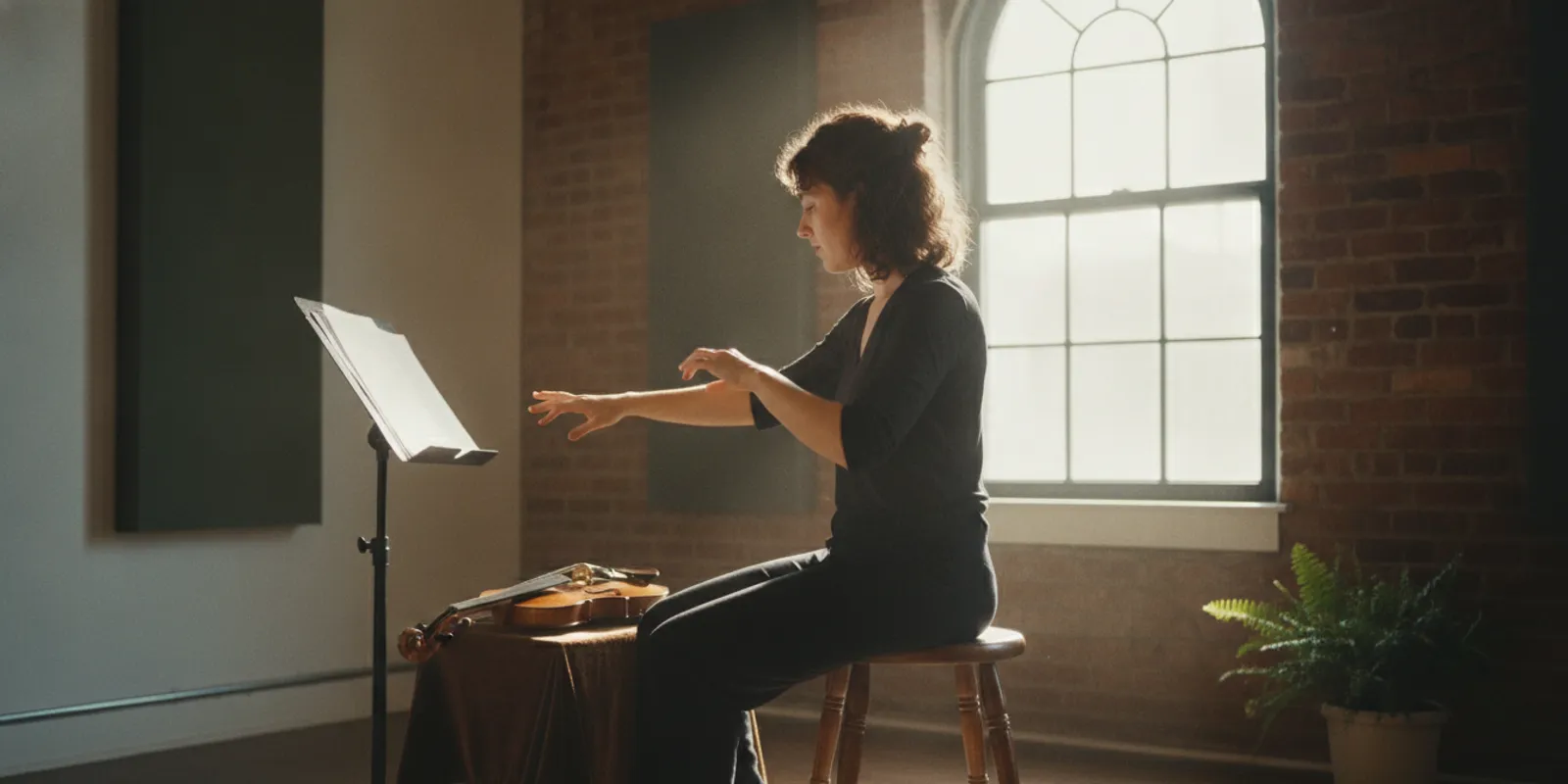
Musicians rely on precise, repeated hand movements, but more practice is not always the answer when the hands feel tired or sore. This guide to hand strengthening for musicians in Brooklyn explains how to build capacity gradually, balance playing with recovery, and decide when to seek an assessment.
Contact the care team about an evaluation
Why does playing challenge the hands?
Playing an instrument asks the fingers, thumb, wrist, and forearm to coordinate force with accuracy. A pianist may repeat fast finger patterns, while a string player may hold a position and make small adjustments for long stretches. Guitarists, percussionists, and wind players face different demands, but all can accumulate practice time in the same tissues.
Symptoms can reflect several factors: a sudden increase in rehearsal time, long sessions without breaks, a change in repertoire, awkward positioning, or inadequate recovery. Hand fatigue can also arise when a player uses more force than a passage requires. Strength work may support playing, but it cannot identify every cause of pain and should not be used to push through worsening symptoms.
The goal is not to make the hand rigid or maximize grip strength. Musicians need controlled force, mobility, dexterity, and endurance appropriate to their instrument. Any exercise plan should fit the player’s needs and be adjusted if it brings on pain, tingling, or lasting fatigue.
What should you assess before adding exercises?
Start by noticing when symptoms occur and what changes them. A brief practice log can help you connect the dots without guessing. Record the instrument, approximate playing time, breaks, repertoire or technique changes, symptoms, and how the hand feels later that day and the next morning.
- Location: Note whether discomfort is in a finger, thumb, wrist, palm, or forearm.
- Timing: Does it begin during a specific passage, after a long session, or at rest?
- Quality: Describe aching, stiffness, weakness, numbness, or tingling in ordinary language.
- Function: Track whether you can play, grip, type, or do daily tasks as usual.
- Recent changes: Include extra rehearsals, a new instrument setup, or a return after time off.
This information is useful to share with a qualified clinician. An assessment may consider movement, strength, sensation, coordination, and activities that provoke symptoms. A plan should reflect the findings rather than assume every musician needs the same exercises.
How can you build strength without overloading?
When there is no concerning pain or other symptom requiring assessment, a gradual routine can begin with easy, controlled movements. Keep effort modest and focus on smooth motion rather than squeezing hard. These are examples, not a diagnosis-specific prescription; skip anything that causes symptoms and ask a clinician for individualized guidance when needed.
- Warm up gently. Move the fingers and wrists through comfortable ranges before demanding playing. Avoid forceful stretching or bouncing.
- Practice light finger opening. With the hand relaxed, slowly spread the fingers and return them together. Use a small range and do a few controlled repetitions.
- Use low-effort finger flexion. Make a soft fist, then open the hand comfortably. Do not clamp down or hold your breath.
- Train the thumb with control. Bring the thumb toward each fingertip, then return to a relaxed position. Keep the wrist comfortable and avoid forcing the reach.
- Progress one variable at a time. If the routine remains comfortable, increase repetitions or resistance modestly, not both at once. Allow recovery and monitor the following day.
Strength is only one part of performance readiness. Coordination and endurance develop through appropriately graded playing as well as exercise. If a general strengthening drill feels unrelated to your instrument or disrupts technique, it may not be the right choice.
How should you balance practice and recovery?
Workload management often matters as much as a strengthening routine. A sudden jump in playing time can challenge tissues that have not adapted to that volume. Consider breaking practice into shorter blocks, alternating demanding passages with lighter tasks, and taking brief pauses before fatigue changes your technique.
Use a simple progression: return to a manageable amount of playing, observe your response, then increase gradually when symptoms remain stable. Avoid making several changes at once, such as adding lengthy rehearsals and a new resistance routine in the same week. If symptoms build as a session continues, stop or modify the activity rather than trying to push through.
Technique and setup deserve attention, too. A teacher may help identify unnecessary tension, while a clinician can assess physical factors and discuss activity modification. A new grip device or universal posture cue is not a substitute for understanding what is provoking symptoms.
How do common options compare?
| Option | What it may contribute | Important limit | When to consider it |
|---|---|---|---|
| Gradual practice changes | Helps manage playing volume and build tolerance over time | Does not diagnose injury or explain persistent symptoms | When workload recently increased and symptoms are mild |
| General hand movements | Can encourage comfortable motion and basic conditioning | May not match instrument-specific demands | When movements are comfortable and there are no concerning symptoms |
| Teacher or technique review | May reveal excess effort, inefficient movement, or setup concerns | Does not replace clinical evaluation for pain, numbness, or weakness | When symptoms appear tied to a passage or technique |
| Clinical evaluation | Can help assess symptoms, function, and suitable next steps | Recommendations depend on individual findings | When symptoms persist, recur, worsen, or affect daily activities |
Physical therapy and chiropractic care may be part of a broader discussion about movement, function, and recovery, depending on a person’s needs and assessment. Learn about physical therapy services and chiropractic care. The right route depends on symptoms and clinical findings, not simply on being a musician.
What does research say about musicians’ hands?
An academic paper addresses musical training and hand biomechanics in string musicians. It makes instrument demands relevant context, but does not establish one exercise routine for every player or prove that a particular symptom has one cause. Read the academic study information.
Research about a group cannot replace individual assessment. A musician’s instrument, practice history, symptoms, health, and goals all affect what is appropriate. Ask a qualified healthcare professional whether exercise, activity changes, or further evaluation makes sense.
How can you adapt the approach to your instrument?
Different instruments create different patterns of repetition and sustained effort. Name the specific task that becomes difficult rather than treating hand strength as one isolated quality. A violinist might notice fatigue during prolonged bowing or left-hand shifts; a guitarist during repeated chord changes; a pianist in a fast passage. These examples are not diagnoses. They make the activity concrete enough to discuss with a teacher or clinician.
For a keyboard player, compare a short, relaxed scale with the passage that provokes fatigue. Notice whether the hand stays tense after the notes, whether wrist position changes as tempo rises, and whether accuracy drops before discomfort begins. Try practicing more slowly in shorter segments, then pause to reassess. If symptoms appear at low effort, do not repeat the passage to strengthen through it.
A string player can observe whether symptoms appear during a particular position, shift, or sustained rehearsal block. Avoid forcing a wider reach or pinching the instrument more firmly to compensate. Note the movement, duration, and circumstances, and ask an instructor to review technique. If pain, tingling, or loss of control is present, get clinical guidance before changing mechanics through repeated drills.
For guitar, bass, and other fretted instruments, distinguish brief effort in a challenging chord from persistent gripping across a session. Between sections, release the hand, let the fingers rest, and notice whether they return comfortably. A percussionist can compare short, easy patterns with longer or faster passages, watching whether grip tightens with fatigue. Wind players should consider both the sustained hold and repeated key or valve movements.
These comparisons should guide practical adjustments, not test how much discomfort you can tolerate. If a teacher suggests a technique change, alter one thing at a time and see whether movement feels more comfortable. If a clinician recommends an exercise, ask how it relates to playing demands and what response means you should stop.
How can you organize a practice week?
A weekly view can reveal workload changes that are hard to notice from one session. Record rehearsals, lessons, performances, personal practice, and non-playing tasks requiring prolonged hand use. Include lighter days. A simple calendar with approximate time and a short symptom note can show whether demanding sessions are clustered together.
Consider a student preparing for a recital. Their usual routine includes one short practice most days, but the final week adds a long rehearsal, a lesson, and extra work on the hardest passage. If the hand begins to ache, the log may show that the recent increase, rather than a missing exercise, is the first issue to address. The student might temporarily reduce repetition on that passage, use shorter blocks, and ask the teacher which sections need focused practice. If discomfort does not settle or returns quickly, an evaluation is appropriate.
A working musician may face several performances close together, limited control over set length, and little opportunity for full rest. Plan recovery around the schedule where possible. Keep warm-ups gentle, avoid adding an unfamiliar resistance routine just before a demanding performance period, and identify tasks that can be reduced or rotated. If symptoms affect playing, discuss them early rather than waiting until a major engagement is over.
At week’s end, ask whether symptoms are less frequent, start later, recover more easily by morning, and whether daily tasks remain normal. If the trend is improving and there are no warning signs, continue cautiously without a sudden jump in volume. If the trend is flat or worsening, do not keep increasing workload on the assumption that adaptation will occur automatically.
What does a gradual progression look like?
Progression is not a fixed calendar or a promise that symptoms will disappear. It changes demands in small, observable steps. First establish a comfortable baseline: practice duration and exercise effort that do not provoke worsening symptoms during activity or afterward. Keep a few sessions at that level, then adjust one element, such as block length, repetitions, or passage complexity.
If a player can work on a passage comfortably in brief blocks, the next step might be a modest increase in one block or a little more time on the passage, but not both. Keep other parts of the routine similar. Check how the hand feels during practice, later that day, and the next morning. Increasing pain, tingling, weakness, or lingering fatigue is a reason to stop and reconsider the plan.
When a change goes well, repeat it before adding another. When it does not, return to the last manageable level and consider what changed: Was the passage faster? Was the session longer? Were breaks skipped? Did an exercise add a new load? Changing several drills and practice habits at once makes it harder to identify what may be contributing.
Resistance tools are not necessary for every musician. If a clinician recommends one, ask how much effort to use, how often, and whether to do it before or after playing. More resistance is not automatically better for an activity that depends on fine control. Maintain smooth form and stop if the tool causes pain or changes sensation.
When should you seek medical guidance?
Arrange an evaluation if discomfort persists or keeps returning, if playing or daily function changes, or if symptoms worsen despite reducing demands. Numbness, tingling, noticeable weakness, swelling, or sudden loss of function merit prompt attention. Sudden severe symptoms or a significant injury should be assessed urgently.
Do not use strengthening exercises to test whether an injured hand can tolerate more work. Stop an activity that produces sharp pain or increases numbness, and seek advice. A clinician can help determine whether the next step is a modified activity plan, additional testing, or another form of care.
What can you expect from an individual assessment?
An evaluation should begin with your story: what you play, how long you have played, what changed recently, and what you want to do. Explain whether symptoms occur during a passage, after a performance, or during daily tasks. Bring a practice log if you have one. Do not provoke symptoms just to demonstrate them.
The clinician may ask about symptom location and timing, prior injuries, health conditions, and changes in sensation or strength. They may assess comfortable movement, coordination, and function. The exact examination and next steps depend on your presentation. The goal is to understand what needs attention and whether exercise, activity modification, further evaluation, or another course makes sense—not to prescribe a generic routine solely because you play.
Ask which practice activities to modify, whether you should continue playing while symptoms settle, how to recognize an excessive response, and how to progress exercises if recommended. Ask for clear guidance on frequency and effort. If the plan is difficult to fit around rehearsals or work, explain the practical barriers.
For a broader view of care, explore integrative healthcare services, the practitioners, and home exercise guidance. Depending on findings and needs, physical therapy or chiropractic care may be part of a broader care conversation.
Ask about scheduling an assessment
What is a sensible next step?
Hand strengthening for musicians in Brooklyn should support comfortable, controlled playing, not encourage you to ignore symptoms or train through pain. Start with manageable demands, track your response, and seek an individual evaluation when symptoms persist, worsen, or interfere with music and everyday activities.